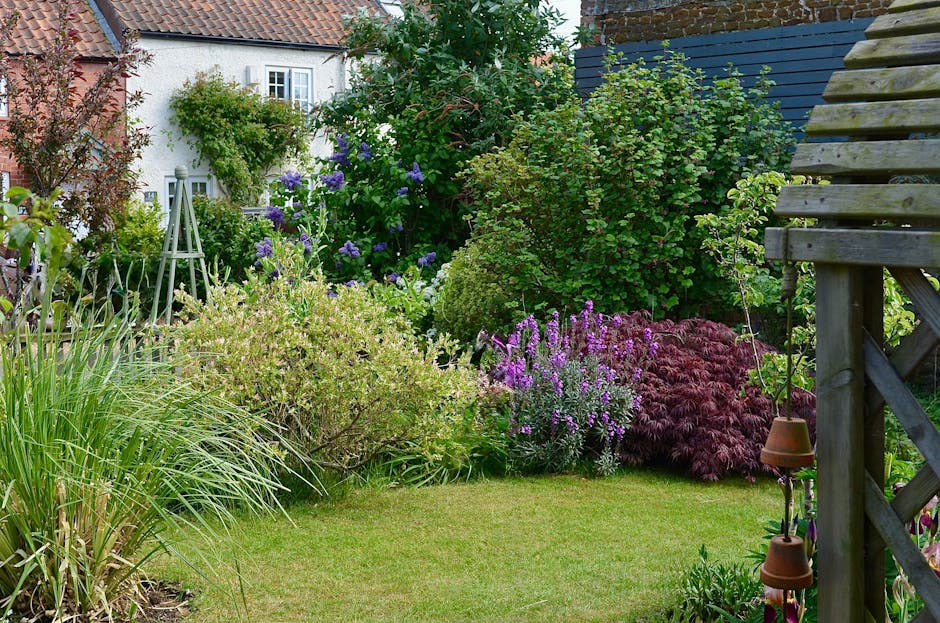
Fullwell Cross Barkingside gardeners small plot makeover ideas
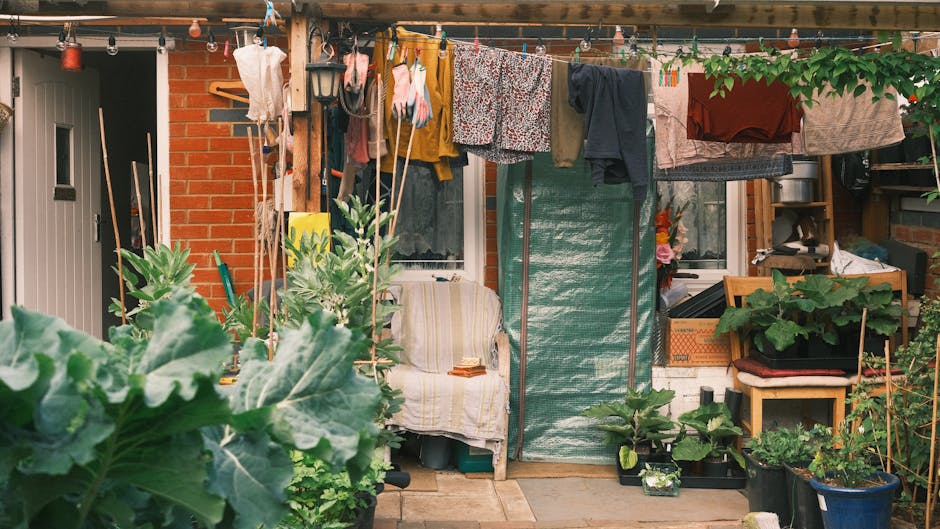
If you have a compact garden near Fullwell Cross or anywhere around Barkingside, you already know the tricky bit: there is never quite enough room, but there is still plenty of potential. The best Fullwell Cross Barkingside gardeners small plot makeover ideas do not try to fight the size of the space. They work with it. A narrow side return, a modest back yard, or a small patch of lawn can become somewhere you actually want to spend time, not just somewhere you step around on the way to the bins.
This guide breaks down how a small plot makeover works, what to prioritise, where people usually go wrong, and which changes give the biggest visual lift without making the space feel crowded. You will also find practical examples, a simple checklist, and a few sensible next steps if you want a tidy, low-fuss result that still feels personal. Let's face it, small gardens can be brilliant when they are planned properly.
Why Fullwell Cross Barkingside gardeners small plot makeover ideas Matters
Small gardens in Barkingside often have to do several jobs at once. They need to look good, feel practical, be easy to maintain, and cope with London weather that can swing from damp to dry to windy in what feels like a week. That is exactly why a thoughtful makeover matters. A small space does not forgive poor planning. One oversized bed, one awkward path, or one badly placed feature can make the whole plot feel cramped.
The upside is that small plots are surprisingly responsive to change. Move the layout a little, reduce visual clutter, add planting at the right height, and the garden can suddenly feel wider, calmer, and more finished. In our experience, the most successful transformations are not the most expensive ones. They are the ones that make the garden easier to read at a glance.
For many local homeowners, the aim is not a grand landscape. It is a garden that feels neat on a weekday evening, usable on a Saturday morning, and pleasant when you open the back door. That is a realistic brief, and a good one.
How Fullwell Cross Barkingside gardeners small plot makeover ideas Works
A small plot makeover usually starts with three questions: what do you want the space to do, what is already working, and what is getting in the way? Once those are clear, the rest becomes a series of small decisions rather than one overwhelming project. That is the real trick.
Most successful makeovers follow a pattern:
- Assess the space - note sunlight, shade, drainage, overlooked corners, and access points.
- Strip back the clutter - remove tired pots, uneven edging, broken furniture, and anything that interrupts the flow.
- Define zones - even a tiny plot can have a sitting area, planting area, and utility corner.
- Use scale carefully - choose features that suit the garden size rather than competing with it.
- Finish with texture and structure - planting layers, clean lines, and one or two focal points.
The best designs often use repetition. Repeated pots, repeated grasses, or repeated paving sizes can make a small garden feel organised instead of busy. You do not need lots of different ideas. You need the right ones, used consistently.
If the plot is very bare, some homeowners begin with broader works like landscape gardening or a quick tidy through garden clearance. That can give you a clean base before you layer in the finer details.
Key Benefits and Practical Advantages
Small plot makeovers offer more than a prettier view. They can change how the whole home feels. A well-planned garden can make a ground-floor room seem brighter, create a better route outside, and make day-to-day upkeep much less irritating. Small thing, big difference.
- Better space use - each corner earns its keep.
- Cleaner sightlines - the garden feels calmer and larger.
- Easier maintenance - fewer awkward edges and less wasted planting.
- Improved privacy - clever screening can soften views from neighbouring windows.
- More year-round interest - structure and planting keep the space looking alive even in winter.
- Better usability - you get a garden that works for seating, children, pets, or a bit of pottering.
There is also a quieter benefit that people only notice later: a smaller, well-organised garden tends to be easier to keep tidy. That means less dragging tools around, less patchy weeding, and fewer Saturdays spent wondering where to start. Truth be told, that can be the most valuable part.
Who This Is For and When It Makes Sense
This approach makes sense for anyone with limited outdoor space who wants a bigger visual and practical return from a modest footprint. It is especially useful if your garden feels underused, slightly messy, or just a bit awkward to navigate.
Typical situations include:
- a narrow terrace or patio that needs structure
- a compact family garden that must handle play, seating, and storage
- a tired rental garden that needs low-cost improvement
- a small front garden that needs kerb appeal without becoming high maintenance
- a courtyard or walled garden where shade and privacy are part of the challenge
It also makes sense when you want improvement without a full rebuild. If you are not ready for major landscaping, you can still achieve a strong result through planting changes, better edging, clever paving, and a sharper layout. Sometimes the smartest makeover is simply a focused one.
On the other hand, if the garden has severe drainage problems, unsafe structures, or major slope issues, the design phase should start with those basics first. A pretty finish will not fix a soggy base. Not really.
Step-by-Step Guidance
1. Start with a proper clear-out
Before you buy anything, strip the plot back to essentials. Remove dead growth, broken pots, rusting furniture, and anything that blocks movement. A clear space reveals the real size of the garden. It is a bit like cleaning your glasses before judging the view.
If the garden has become overgrown, a tidy-up through garden maintenance can bring it back to a workable state quickly. For hedges that are swallowing light or making the area feel boxed in, hedge trimming can change the feel of the whole plot in one go.
2. Decide what the garden should do
Pick one main purpose and one supporting purpose. For example, a small garden might mainly be for relaxed seating, with a secondary role as a low-maintenance planting space. That is clearer than trying to force in everything at once.
Ask yourself: do you want to eat outside, grow herbs, create a child-friendly area, or simply make the view from the kitchen better? The answer shapes the layout.
3. Build the layout around movement
Small gardens feel bigger when movement is simple and obvious. Keep paths direct. Avoid too many turns. If you have to squeeze sideways around a planter just to reach the back fence, the design is already working too hard.
Where possible, use one main path line or a simple stepping route. Clean geometry often suits compact plots better than overcomplicated shapes.
4. Add structure first, then soften it
In a tiny garden, structure matters more than scatter. This means edging, screens, raised planters, trellis, or perhaps a small decked seating area. Once the bones are in place, planting can soften the harder edges. If you need a warm, usable surface underfoot, decking services can work well in compact spaces where paving alone might feel a bit flat.
5. Choose planting with discipline
Choose fewer plant types, but choose them well. Repetition creates calm. Texture creates depth. A mix of evergreen structure, seasonal colour, and one or two standout plants is usually enough. You do not need a jungle. Unless you really want a jungle, of course.
For small plots, taller potted planting can be a clever way to add privacy and vertical interest without swallowing the floor area. If that appeals, the ideas in tall potted greenery for a more inviting hideaway are worth exploring as a style direction.
6. Finish with detail and maintenance planning
The final layer is the one people notice most: lighting, pots, edging, trellis paint, and the condition of the lawn or gravel. But do not stop at the pretty bits. Decide how the garden will be maintained. If it takes too much effort, the makeover will slide backwards. A beautiful space that becomes a burden is not much of a win, really.
Expert Tips for Better Results
Small plots reward restraint. That sounds simple, but people often do the opposite and overfill the space. A few strong decisions beat a long list of minor ones every time.
- Use vertical space wisely - trellis, wall planters, and climbers draw the eye upward.
- Keep hard landscaping consistent - similar paving tones or repeated materials make the plot feel settled.
- Think in layers - low planting at the front, mid-height structure in the middle, taller accents behind.
- Leave breathing room - empty space is not wasted space; it is what makes the rest of it work.
- Choose one focal point - a bench, a specimen plant, or a water feature, but not all three fighting for attention.
One practical tip many people miss: look at the garden from inside the house, not just from standing in it. What do you see through the kitchen window on a wet Tuesday morning? That is the view that shapes everyday enjoyment. Slightly boring test, very useful answer.
If the plot needs broader work before the styling begins, a local team that offers landscaping can help with the heavier groundwork. And if you want a clearer picture of what services are available overall, the services overview page is a sensible place to start.
Common Mistakes to Avoid
Most small garden mistakes come from trying to do too much. That might sound obvious, but it happens all the time. A small plot is not a mini version of a large garden. It needs a different mindset.
- Overcrowding the planting - too many species can make the space feel restless.
- Using oversized features - large furniture or a huge planter can dominate the whole plot.
- Ignoring maintenance - delicate planting choices become a chore if they do not suit your routine.
- Breaking the layout with too many materials - ten different finishes in a tiny area can feel messy.
- Forgetting drainage and levels - puddles and awkward steps will undermine the makeover quickly.
- Skipping the tidy-up stage - new plants on top of old clutter rarely look finished.
Another common issue is hidden cost creep. People focus on the headline items and miss the bits that add up, like waste removal, edging, soil improvement, or replacement fixings. If you are planning a project and want to avoid awkward surprises, it helps to read about hidden charges to avoid with Barkingside garden services. It is a small read that can save a lot of irritation.
Tools, Resources and Recommendations
You do not need a shed full of specialist gear to improve a small plot, but the right basic tools do make the work smoother. The more compact the garden, the more important neat finishing becomes. Untidy edges show faster in a small space.
| Tool or Resource | Best Use | Why It Helps in a Small Plot |
|---|---|---|
| Hand trowel and fork | Planting and soil prep | Lets you work precisely without disturbing nearby plants |
| Sharp shears or secateurs | Pruning and shaping | Keeps borders and shrubs neat without overcutting |
| Edge tool | Defining paths and borders | Sharp lines make the plot look larger and more deliberate |
| Planters and pots | Flexible planting | Easy to move if the layout changes later |
| Compost and mulch | Soil improvement and moisture retention | Supports healthier growth and reduces maintenance |
If the job involves more than surface tidying, it is worth using a team that understands both presentation and practical upkeep. Many homeowners also ask about pricing early, which is fair enough. A page like pricing and quotes is useful when you want to compare options before committing. For trust and safety concerns, the site's insurance and safety information and health and safety policy can also help you understand the standards being followed.
If sustainability matters to you, it is sensible to think about disposal and reuse too. Recycling old materials, choosing durable finishes, and reducing waste are all part of a smarter makeover. The recycling and sustainability page fits that approach well.
Law, Compliance, Standards, or Best Practice
Most small garden makeovers are straightforward, but there are still sensible standards to keep in mind. If work affects shared boundaries, drainage, access, or trees, it is wise to check what applies before starting. The exact position depends on the property and the project. That part is worth handling carefully.
Best practice usually includes the following:
- confirming who owns which boundary or fence before altering it
- avoiding work that blocks drainage or creates runoff problems
- being mindful of neighbours when changing screening, hedge height, or access routes
- using safe methods for lifting, cutting, and waste removal
- checking whether trees or large shrubs need more cautious handling
If a project involves removal of larger growth, take care. Tree and hedge work should be done with proper judgement, especially near walls, services, or neighbouring land. For more substantial pruning or removal, see tree lopping and removal. And if you are dealing with a damaged or overgrown boundary, a thoughtful approach is better than a quick hack. Always.
There are also plain-site issues that matter: payment clarity, privacy, and complaints handling. They may not be glamorous, but they are part of a professional service. It is reassuring when a company sets these things out clearly rather than leaving you to guess.
Options, Methods, or Comparison Table
There is no single right way to makeover a small garden. The best choice depends on how you use the space, how much maintenance you want, and how quickly you want the change to show. Here is a simple comparison to help narrow things down.
| Approach | Best For | Pros | Trade-offs |
|---|---|---|---|
| Plant-led makeover | Softening a plain courtyard or patio | Affordable feel, seasonal colour, flexible | Needs ongoing care and good plant choice |
| Hardscaping-led makeover | Very messy or uneven plots | Strong structure, tidy finish, durable | Usually higher upfront effort and cost |
| Mixed makeover | Most small suburban gardens | Balanced look, practical, adaptable | Needs more planning to avoid crowding |
| Low-maintenance refresh | Busy households or rental spaces | Easy upkeep, neat appearance, predictable | May feel less lush if over-simplified |
For many Barkingside homes, the mixed approach is the sweet spot. You keep enough planting to give life and colour, but you also add clear structure so the garden feels composed. That balance is what stops a small plot from looking either bare or cluttered.
Case Study or Real-World Example
Picture a modest back garden in Fullwell Cross: a patchy lawn, a narrow border running along one side, a tired path, and a couple of old pots nobody has touched for months. The owner wants a space for morning coffee, a few herbs, and a garden that does not feel like extra work.
The makeover starts with a full clear-out and hedge tidy. Next, the lawn area is reduced slightly to free up room for a small seating zone. A simple decked section or paved pad creates a proper base for a table and chairs. Rather than filling every edge with random plants, the design uses repeated pots with evergreen structure and a few seasonal highlights. A slim trellis adds height and gives climbing plants somewhere to go. That is it. Not flashy, but it works.
By the end, the garden feels more open even though it has gained features. The owner gets a view that looks cared for, not crowded. And because the planting plan is restrained, maintenance stays realistic. That is usually the real win in a small plot makeover: not more stuff, just better stuff in the right places.
In some cases, the same kind of transformation begins with a simple maintenance visit and expands from there. A clean start makes decisions easier, which is helpful when you are standing in the garden trying to imagine what could become of it. Been there, plenty of times.
Practical Checklist
Use this quick checklist before you begin. It keeps the project grounded and stops the garden from drifting into "half finished for six months" territory.
- Define the main purpose of the garden
- Measure the space and note sunny and shaded areas
- Remove unwanted clutter, dead plants, and broken items
- Check for drainage problems, uneven surfaces, or awkward access
- Choose a simple layout with clear movement paths
- Select materials that suit the scale of the plot
- Pick a limited plant palette and repeat key plants
- Decide whether screening, trellis, or vertical planting is needed
- Plan for easy maintenance after the makeover
- Confirm any boundary, tree, or safety considerations before work begins
Expert summary: the best small plot makeovers in Fullwell Cross and Barkingside are usually the ones that improve structure first, planting second, and decoration last. Get the bones right and the rest starts to fall into place almost naturally.
Get a free quote today and see how much you can save.
Conclusion
Good Fullwell Cross Barkingside gardeners small plot makeover ideas are not about cramming more into less space. They are about making a compact garden feel calmer, smarter, and easier to live with. When the layout is clear, the planting is disciplined, and the details are well chosen, even a tiny plot can feel generous. That is the lovely part of it.
Whether you want a simple refresh or a more complete transformation, start with the basics: clear the clutter, choose one direction, and build from there. The result does not need to be extravagant to feel satisfying. In fact, the best small gardens often feel a little understated, a little intentional, and very liveable.
If you are ready to turn a cramped corner into a space with real character, take the next step with a plan that suits your home, your routine, and your budget. Small gardens can do a lot. Sometimes more than you expect.
Frequently Asked Questions
What are the best small plot makeover ideas for Fullwell Cross Barkingside gardens?
The best ideas usually combine clear structure, restrained planting, and one practical focal point such as seating, a decked area, or a feature border. In a small plot, simplicity tends to look more refined than trying to fit in too many styles at once.
How do I make a small garden look bigger?
Use clean lines, limited materials, repeated planting, and vertical features like trellis or tall pots. Keeping the layout open and reducing visual clutter also helps the eye travel further, which makes the space feel larger.
Is decking a good option for a small Barkingside garden?
Yes, if it is used thoughtfully. Decking can create a usable seating zone and break up a narrow garden nicely. The key is not to overdo the size. In a compact plot, a modest deck often works better than a large one.
What plants work well in a small urban garden?
Plants that stay tidy, offer some evergreen structure, and cope well with your light conditions are usually the best choice. Repeated grasses, compact shrubs, herbs, and climbers can work well. The exact mix depends on sun, shade, and how much maintenance you want.
How much maintenance does a small plot makeover need afterwards?
That depends on the design. A planting-heavy garden needs more seasonal attention, while a hardscaped or low-maintenance layout is easier to keep neat. A good makeover should fit the time you actually have, not the time you wish you had.
Can I makeover a small garden without changing the whole layout?
Absolutely. Sometimes new edging, a better seating arrangement, fresh pots, and a smarter planting plan are enough to transform the space. You do not always need major construction to get a proper visual lift.
What is the biggest mistake people make with small gardens?
Overcrowding. Too many plants, too many materials, or too many features can make a small garden feel smaller. A clear, simple plan usually gives a much better result.
Do I need professional help for a small garden makeover?
Not always, but professional help can be useful if the space needs clearance, levelling, pruning, or a more finished look. It is especially helpful when you want the job done efficiently and with a sensible eye for scale.
How do I choose between planting and hard landscaping?
Think about how you want to use the garden. If you want softness and seasonal change, planting should lead. If the plot is uneven, tired, or awkward, hard landscaping may need to come first. Many gardens work best with a mix of both.
Are there any safety or compliance issues I should think about?
Yes. Boundary ownership, drainage, access, and tree work can all matter, depending on the site. It is sensible to check these points before starting. Good practice also includes safe handling, tidy waste removal, and clear communication about the scope of work.
How do I know if my small garden is worth improving?
If it feels underused, difficult to keep tidy, or unpleasant to look at from inside the house, it is probably worth improving. Even modest changes can make a big difference to how the space feels day to day.
What should I do first if I want to start soon?
Start with a proper clear-out and a rough plan for what the garden should do. Once the clutter is gone, it becomes much easier to see what needs fixing, what can stay, and which changes will actually move the needle. That first step is usually the hardest, and the most useful.