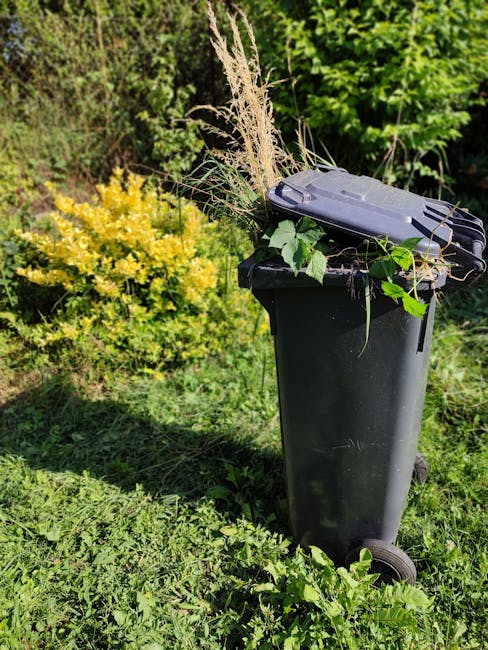
Green waste rules Barkingside Redbridge Council: a practical local guide for gardeners and householders
If you have ever stared at a pile of hedge cuttings, lawn clippings, or prunings and thought, "Right, what actually counts as green waste here?", you are not alone. Green waste rules Barkingside Redbridge Council can feel simple on the surface, but the details matter if you want to avoid contamination, missed collections, or a messy last-minute rethink on bin day.
This guide breaks it down in plain English. You will learn what green waste usually means, how local collection systems generally work, what to keep out of the bin, and how to manage garden waste more efficiently at home. It is written for Barkingside residents, but the same sensible habits will help anyone dealing with regular garden maintenance, seasonal clear-outs, or a larger one-off tidy-up. And yes, a few bits are a bit more nuanced than people expect. That is usually where the trouble starts.
Why Green waste rules Barkingside Redbridge Council Matters
Green waste sounds harmless, and mostly it is. But the reason local rules matter is that garden waste is not the same as general rubbish. Councils and waste contractors usually treat it separately because it can be composted, mulched, or otherwise recovered. If the wrong material gets mixed in, the whole load can become harder to process. Simple enough, but one stray bag of soil or a few bits of plastic can spoil things.
For Barkingside households, the practical impact is straightforward: if you sort green waste properly, you make collection smoother, reduce odours, and cut down on avoidable rejections. If you do not, you may end up with a bin that is left behind, a bag that splits on the pavement, or a garden pile that grows bigger than you planned. We have all seen the "I'll sort it later" pile. Later rarely arrives on time.
There is also a wider local benefit. Cleaner waste streams support more sustainable handling and reduce the amount that has to go to disposal. If your aim is to keep on top of a tidy garden while being reasonably responsible about waste, it is worth understanding the basics rather than guessing each week.
For garden owners who regularly prune, mow, or clear borders, the issue is even more relevant. A small front garden might only produce a few carrier bags of cuttings. A larger back garden, or one with hedges and trees, can generate far more. In those cases, the difference between "acceptable green waste" and "mixed garden rubbish" becomes very real.
How Green waste rules Barkingside Redbridge Council Works
In practical terms, green waste rules usually focus on what can be placed into a garden waste collection and what must be separated out. The exact operating details can change over time, so the safest approach is to treat the council's current guidance as the final word. Still, the underlying pattern across UK local authorities is usually similar.
Most green waste collections expect organic garden material only. That commonly includes grass cuttings, leaves, hedge trimmings, small branches, weeds, and plant prunings. It may also include flowers and dead plants. The idea is that the material breaks down naturally and can be composted or processed into reusable organic matter.
What generally does not belong in green waste? Think in terms of anything non-organic or anything that could contaminate the load: plastic plant pots, ties, compost bags that are not accepted, stones, soil in large amounts, rubble, food waste, treated wood, and any packaging. It is a bit boring to say, but mixed loads are where a lot of problems begin.
In some households, green waste is handled via a dedicated garden bin. In others, there may be a subscription or booking system. If your collection method involves a specific container, weight limit, lid closure rule, or preparation requirement, following that instruction matters more than trying to be clever. A bin that overflows after a wet weekend is a common headache, especially in autumn when the garden seems to shed forever.
If you also manage larger amounts of waste after a bigger tidy-up, it can help to pair your understanding of council rules with a more structured service approach. For example, a planned garden clearance can reduce the chance of mixing unsuitable material into your green waste stream. Likewise, keeping on top of routine garden maintenance usually means less to sort out in the first place.
Key Benefits and Practical Advantages
Following green waste rules is not just about avoiding a nuisance. Done properly, it has a few real advantages.
- Cleaner collections: Properly sorted waste is easier to handle and less likely to be rejected.
- Less mess at home: A neat system reduces wind-blown clippings, torn bags, and slimy piles on the patio.
- Better garden hygiene: Removing dead growth and organic debris helps prevent clutter and damp build-up.
- More sustainable disposal: Garden waste can often be recovered in more useful ways than general rubbish.
- Less stress on collection day: You are not scrambling to separate branches from soil ten minutes before the lorry arrives.
There is also a subtle benefit that people often miss: once you get used to sorting green waste well, the rest of garden care gets easier. Trimming hedges, mowing the lawn, and clearing beds all become part of the same rhythm. That is especially handy if you maintain your own garden through the season rather than doing one enormous tidy-up every few months. Truth be told, the weekly 10-minute habit usually beats the all-day rescue mission.
If you are thinking more broadly about how to keep a garden under control with less waste, the service mix matters too. Some households benefit from regular lawn mowing and occasional hedge trimming rather than letting the work pile up. That small shift can make green waste much more manageable.
Who This Is For and When It Makes Sense
This topic matters to a wide range of people, not just keen gardeners. In Barkingside, green waste rules are relevant if you:
- mow your own lawn and want to dispose of cuttings correctly;
- trim hedges or shrubs and need to separate organic material from other debris;
- clear fallen leaves in autumn, which, let's face it, can feel endless;
- do a seasonal tidy-up after winter or before spring planting;
- manage a rental property with an overgrown garden;
- are planning a bigger landscaping project and expect a lot of organic offcuts;
- prefer to avoid waste contamination and the inconvenience that comes with it.
This is especially useful if your garden work produces mixed waste. For example, after removing an old bed border, you may have plant matter, soil, broken edging, and a few odd bits of plastic. That is where people get caught out. The green waste bits should be treated separately from the rest. Not glamorous, but necessary.
If your plans are more ambitious and involve redesigning the garden, it helps to think ahead. Services such as landscape gardening or broader landscaping often generate waste at different stages, so sorting early saves time later. Even tree-related work, such as tree lopping and removal, can produce branches and trunks that are handled differently from standard green waste. That distinction matters.
Step-by-Step Guidance
If you want a simple way to handle green waste without overthinking it, use this practical routine.
- Separate organic from non-organic material. Put grass, leaves, weeds, hedge cuttings, and small prunings into the green waste pile. Keep plastic, metal, glass, stones, and general household rubbish out.
- Shake off excess soil. A little dirt on roots is normal, but large clumps of soil are often a problem. If it looks like half the garden is attached, slow down and clean it first.
- Cut bulky branches down to size. Smaller pieces are easier to bag, bin, or stack according to local instructions.
- Keep the bin or bag easy to close. Overstuffing is a classic mistake. If the lid will not shut, that usually tells you something.
- Avoid mixing in treated wood or hard landscaping material. Fence panels, sleepers, stones, and rubble are not green waste.
- Check collection timing. Put out the bin or sacks on the correct day and leave them where collection crews can access them safely.
- Store waste neatly until collection. Keep it dry if possible. Wet green waste gets heavy quickly and can become unpleasant fast.
A sensible habit is to sort waste as you work rather than at the very end. If you are cutting hedges on a damp afternoon and the wheelie bin is already half full, pause and split the material into manageable piles. It feels slower in the moment, but you save yourself from a bigger headache later.
Expert Tips for Better Results
Here are a few small things that make a disproportionate difference. No dramatic transformation, just less faff. Which, on a rainy Tuesday, is no bad thing.
- Prune when the weather is dry. Dry cuttings are lighter and less likely to compact into a soggy mass.
- Use breathable storage if you have it. A vented bag or open container can be easier for short-term holding than a sealed sack.
- Batch your work. One tidy-up session per week is often easier than dealing with a huge monthly pile.
- Keep a separate bucket for contamination. Small items like plant labels, twine, and clips have a habit of sneaking into the wrong pile.
- Plan around hedge seasons. Heavy trimming at the wrong time can overwhelm your bin faster than you expect.
Another worthwhile habit is checking whether your garden tasks are producing more waste than your normal collection can comfortably handle. If they are, it may be more efficient to combine regular upkeep with a scheduled clearance. That approach often works better than trying to wedge everything into one green bin and hoping for the best. We have seen that story before.
If you care about responsible disposal more generally, it is worth looking at a company's wider approach to recycling and sustainability. On this site, the recycling and sustainability page gives a useful overview of that broader mindset, while services overview is a good place to see how different garden jobs connect together.
Common Mistakes to Avoid
Most green waste problems are not dramatic. They are small errors repeated a few times. That is the annoying part, honestly.
- Adding plastic ties, pots, or bags: Even small bits of contamination can create issues.
- Including too much soil: Garden waste is not the same as earth clearance. Soil often needs different handling.
- Mixing general rubbish with garden cuttings: Once that happens, the pile is no longer clean green waste.
- Overfilling containers: If the lid does not close or the bag is bursting, expect trouble.
- Leaving waste out too early: Bags can split, blow over, or become waterlogged.
- Ignoring local collection instructions: Some systems are stricter than people realise.
A common scenario is the spring tidy-up. You start with weeds and leaves, then notice an old plant label, a broken pot, and a few stones from the border. Before you know it, the pile is mixed. That is the moment to stop and separate things out. It takes a few extra minutes, but it saves you from making one waste stream into three problems.
Another mistake is underestimating volume. Hedges and shrubs can produce more material than you think, especially if they have been left a bit too long. If you already know your garden gets unruly, regular garden maintenance can keep the green waste load steady rather than spiky.
Tools, Resources and Recommendations
You do not need much to manage green waste properly, but the right basic kit makes things much easier.
- Garden shears and secateurs: Useful for reducing the size of prunings before disposal.
- A sturdy rake: Handy for leaves and grass clippings.
- Breathable garden bags or bins: Better for short-term holding than flimsy sacks.
- Tarpaulin: Makes it easier to move a pile without scattering debris everywhere.
- Gloves: Simple, but a good pair saves scraped hands and makes the job less grim.
For heavier or larger jobs, the smarter move is often to combine your own sorting with professional help. If the work involves major overgrowth or a big seasonal clear-out, a dedicated garden clearance can take the pressure off. If you are working near structures, decking, or new planting layouts, you might also be juggling other tasks that deserve proper planning. A clear quote process, like the one outlined on pricing and quotes, helps you decide what is worth doing in one go.
And if safety is on your mind, which it should be when lifting, cutting, or handling awkward branches, it is sensible to read up on the site's health and safety policy and insurance and safety information. Not thrilling reading, granted, but useful.
Law, Compliance, Standards, or Best Practice
When people search for council rules, they are usually looking for the boundary between "fine" and "not fine." The safest answer is this: follow the current guidance from the local authority, keep waste streams separate, and avoid guessing where a rule is unclear. Councils can change accepted materials, container rules, and collection arrangements, so any advice here should be treated as practical guidance rather than a substitute for the latest official instruction.
In the UK, the general best practice for garden waste is straightforward. Keep garden organics apart from household rubbish, do not contaminate recycling-style waste streams, and dispose of anything hazardous or non-organic through the correct route. Treated timber, rubble, soil in bulk, and construction debris are common troublemakers. They usually need separate handling.
Another point that catches people out is duty of care. In plain terms, if you hand your waste to someone else, you should still be comfortable that it will be managed properly. That means using reputable services, understanding what they accept, and asking sensible questions when a job is more complicated than a standard binful of grass cuttings. A quick check now is better than an awkward call later.
For households and landlords alike, a best-practice approach usually includes:
- sorting waste at source;
- keeping contaminated material out of green waste;
- using suitable storage and collection methods;
- booking extra help when the volume is too high for routine collection;
- keeping records or notes if you are managing larger garden work.
That last point may sound a touch formal, but if you are coordinating work across several people or multiple visits, a note of what went where can save a lot of confusion. Small detail, big payoff.
Options and Comparison Table
Different situations call for different waste-handling methods. The right one depends on how much material you have, how often your garden produces waste, and whether you are dealing with simple cuttings or a bigger project.
| Option | Best for | Pros | Watch-outs |
|---|---|---|---|
| Routine green bin use | Weekly or fortnightly garden trimmings | Simple, familiar, tidy | Limited capacity; contamination can cause issues |
| Bagging and staged storage | Small to medium jobs with flexible timing | Easier to sort by material type | Bags can tear or become heavy when wet |
| Home composting | Leaves, small cuttings, and suitable soft material | Reduces waste and supports the garden | Not all waste is suitable; needs patience |
| Professional clearance support | Overgrown gardens, seasonal clear-outs, mixed debris | Saves time, handles larger volumes | Needs planning and clear communication on what is included |
For many Barkingside homes, the best answer is actually a mix of methods. A little composting, a little bin use, and professional help only when needed. No heroics required.
Case Study or Real-World Example
Here is a simple real-world style example. A small terrace garden in Barkingside has been left alone through a damp autumn and a fairly busy winter. By March, the borders are full of leaves, the hedge needs cutting, and the lawn has a thick layer of clippings after the first mow. The owner assumes it will all fit into one collection. It does not.
Instead of forcing everything into a single pile, the work gets split into stages: leaves and soft cuttings are gathered first, hedge trimmings are cut down to size, and the non-organic bits are removed straight away. The bigger, awkward material is kept separate and the smaller, clean green waste goes into the proper container. A few items that look harmless at first glance - plastic plant ties, a cracked pot rim, one old label - are taken out before collection day.
The result is boring in the best possible way: no rejected waste, no overflow, and no frantic re-sorting on the pavement. It also makes the garden feel better almost immediately. You can hear the difference sometimes. Less crunch underfoot, less damp decay smell after rain, just a cleaner space overall.
That is the sort of result most people want. Not perfection. Just a garden that feels under control.
Practical Checklist
Use this before you put out green waste or start a garden clean-up.
- Have I separated garden waste from household rubbish?
- Have I removed plastic, metal, glass, ties, and packaging?
- Have I kept soil, rubble, and treated wood out of the green waste pile?
- Have I reduced bulky branches to manageable pieces?
- Is the container not overfilled and able to close properly?
- Have I checked the collection day or disposal plan?
- Have I stored the waste neatly and safely until it is collected?
- Do I need extra help because the job is bigger than normal?
If you can tick most of those off, you are in good shape. If not, pause and fix the weak spots before collection day sneaks up on you. It usually does.
Conclusion
Green waste rules Barkingside Redbridge Council are not difficult once you break them into simple habits: keep garden organics separate, remove contamination, avoid overfilling, and plan for bigger jobs before they become a problem. That is the real story. Everything else is just detail around the edges.
For smaller gardens, a tidy routine is usually enough. For larger or more neglected spaces, the best solution may be a combination of routine upkeep and a proper clearance plan. The more you build a rhythm, the less stressful the whole thing becomes. And to be fair, that is what most people want from garden care anyway - less mess, fewer surprises, and a bit more breathing room outside.
Get a free quote today and see how much you can save.
When the garden feels lighter and the waste is under control, the whole place seems calmer. A small win, maybe, but a real one.
Frequently Asked Questions
What counts as green waste in Barkingside?
Green waste usually means organic garden material such as grass cuttings, leaves, hedge trimmings, weeds, flowers, and small prunings. Anything non-organic should stay out of the green waste stream.
Can I put soil in the garden waste bin?
Usually not in large amounts. Soil is commonly treated differently from green waste, so it is best to check the current local guidance before mixing it in.
Are plastic plant pots allowed with green waste?
No, plastic plant pots are not green waste. Remove them and dispose of them through the correct route.
Can I include branches and hedge trimmings?
Yes, small to medium branches and hedge cuttings are typically acceptable if they are organic and properly prepared. Very large woody material may need separate handling.
What happens if I mix general rubbish with garden waste?
Contamination can cause the load to be rejected or make processing more difficult. It is always better to keep waste types separate from the start.
Is home composting better than using a green bin?
For suitable material, home composting can be very useful. It is not ideal for everything, though, and many people still need a council collection or clearance option for larger jobs.
How do I handle a big garden clear-out?
Split the job into categories: green waste, soil, hard materials, and general rubbish. If the volume is too much for routine collection, a professional clearance service is often the sensible route.
Can wet grass clippings go in the bin?
Yes, but wet clippings become heavy and compact quickly. Let them drain a little if you can, and avoid overfilling the container.
Do I need special help for tree work?
Tree work often creates thicker branches and larger volumes of waste. In those cases, it is worth using a service that understands the difference between standard garden cuttings and heavier arboricultural material.
How often should I clear green waste from my garden?
That depends on the size of the garden and the season. Weekly or fortnightly tidying is easier to manage than leaving everything until it becomes a huge weekend job.
What if I am not sure whether something is allowed?
If in doubt, keep it out until you have checked. That simple rule avoids a lot of mistakes, and it is often the safest approach when waste rules are unclear.
Where can I learn more about the company's approach to sustainability?
You can read the site's recycling and sustainability page for a broader look at responsible garden waste handling and related practices.